- Published on
SERVER RASPBERRY-PI SPECIFICATION (Outline v0.1)
- Authors

HTL-04 – SERVER RASPBERRY-PI SPECIFICATION (Outline v0.1)
- HTL-04 – SERVER RASPBERRY-PI SPECIFICATION (Outline v0.1)
- 1. Purpose
- 2. Scope
- 3. Definitions
- 4. Assumptions
- 5. System Description
- 6. Technical Specification
- 7. Constraints
- 8. Failure Handling
- 9. Interfaces
- 10. Open Issues
- 11. Revision History
1. Purpose
1.1 Document Objective
HTL-04 mendefinisikan spesifikasi teknis implementasi Site Server berbasis Raspberry Pi.
Dokumen ini mengunci:
- Konfigurasi MQTT broker
- Telemetry ingestion layer
- Time-series database baseline
- Command management
- Configuration registry
- OTA repository
- Authentication & RBAC
- Health monitoring
- Backup & recovery strategy
Server adalah supervisory layer, bukan control authority (lihat HTL-00).
1.2 Authority
HTL-04 mengikat:
- Tim Backend / Server
- Tim DevOps (deployment Pi)
- QA untuk integration test Gateway ↔ Server
Perubahan konfigurasi broker atau DB yang mempengaruhi HTL-01 wajib review lintas tim.
1.3 Change Governance
Perubahan berikut wajib review arsitektur:
- Topic namespace policy
- TTL handling logic
- DB schema breaking change
- Retention policy drastis
- OTA integrity model
- RBAC model
Jika perubahan mempengaruhi:
- HTL-01 (interface contract)
- HTL-00 (authority boundary)
Maka revisi lintas dokumen wajib dilakukan.
2. Scope
2.1 In-Scope
HTL-04 mencakup seluruh komponen server per-site:
✔ MQTT Layer
- Broker configuration
- ACL policy
- Persistence
✔ Telemetry & Data Layer
- Subscription
- Validation
- Time-series ingestion
- Retention & aggregation
✔ Control Layer
- Command publish
- TTL enforcement
- ACK tracking
- Command lifecycle mirror
✔ Configuration Layer
- Versioned config registry
- Per-node config storage
- Audit log
✔ OTA Layer
- Firmware repository
- Hash verification
- Version compatibility check
✔ Security Layer
- Local authentication
- RBAC
- Session management
- Audit log
✔ Reliability Layer
- Health monitoring
- Backup schedule
- Recovery procedure
Semua berjalan dalam LAN lokal.
2.2 Out-of-Scope
Server tidak mencakup:
- Cloud sync
- Multi-site aggregation
- AI analytics
- Enterprise SSO
- Remote internet dependency
Server harus tetap beroperasi tanpa internet.
3. Definitions
3.1 Site Server
Raspberry Pi yang menjalankan seluruh komponen supervisory per-site.
3.2 MQTT Broker
Service (misal Mosquitto) yang:
- Mengelola publish/subscribe
- Menyimpan session
- Menerapkan ACL
- Menyediakan QoS handling
3.3 Telemetry Ingestion
Service yang:
- Subscribe telemetry topic
- Validasi payload
- Tulis ke DB
- Handle duplicate (jika perlu)
3.4 Command Dispatcher
Modul yang:
- Publish command
- Assign cmd_id
- Track ACK
- Enforce TTL
3.5 Config Registry
Penyimpanan konfigurasi:
- Versioned
- Per-node
- Checksum protected
- Audit logged
3.6 OTA Repository
Storage firmware:
- Version indexed
- Hash verified
- Local HTTP serve
3.7 Role-Based Access Control (RBAC)
Model akses berbasis role:
- Operator
- Engineer
- Admin
Role menentukan:
- Read-only
- Command issue
- Config modify
- OTA upload
3.8 Retention Policy
Kebijakan:
- Berapa lama data disimpan
- Data yang di-aggregate
- Data yang dihapus otomatis
3.9 Health Monitor
Service yang memantau:
- Broker status
- DB status
- Disk usage
- CPU load
- Gateway connectivity
4. Assumptions
4.1 Deployment Assumptions
Baseline:
- 1 Raspberry Pi per-site
- Gateway dalam LAN sama
- Node tidak langsung ke Pi (via Gateway)
- Internet tidak diperlukan
Pi dianggap semi-dedicated untuk HortiLink.
4.2 Technical Assumptions
- Linux-based OS (Raspberry Pi OS Lite)
- MQTT broker (Mosquitto atau equivalent)
- Time-series DB (InfluxDB / TimescaleDB – TBD)
- Local web dashboard berjalan di Pi
- systemd untuk service management
4.3 Capacity Assumptions
Baseline per-site:
- 10–15 Node
- Telemetry interval baseline (dikunci lintas dokumen)
- Retention minimal beberapa bulan (nilai final TBD)
- Storage minimal 32–64GB
- RAM minimal 2–4GB (disarankan 4GB)
Server tidak dirancang untuk heavy analytics.
5. System Description
Site Server adalah supervisory & data persistence layer dalam satu site HortiLink. Server tidak menjalankan kontrol aktuator langsung, tetapi mengelola observability, command lifecycle, konfigurasi, dan OTA.
5.1 Server Functional Block Diagram


Blok Fungsional Utama
✔ 1. MQTT Broker
- Topic routing
- QoS handling
- Session persistence
- ACL enforcement
✔ 2. Telemetry Ingestion Service
- Subscribe telemetry
- Validate payload
- Normalize timestamp
- Write to DB
✔ 3. Time-Series Database
- Store telemetry
- Retention policy
- Aggregation
✔ 4. Command Manager
- Generate cmd_id
- Enforce TTL
- Track ACK
- Update command state
✔ 5. Config Registry
- Versioned config
- Per-node storage
- Audit log
- Rollback
✔ 6. OTA Repository
- Firmware storage
- Version registry
- Hash verification
- Local HTTP serve
✔ 7. Web Dashboard
- Monitoring UI
- Command UI
- Config UI
- Health view
✔ 8. Auth & RBAC
- User management
- Role assignment
- Session handling
✔ 9. Health Monitor
- CPU load
- Memory usage
- Disk usage
- Broker status
- DB status
✔ 10. Backup Manager
- Scheduled DB backup
- Config backup
- OTA backup
5.2 Data Flow Overview

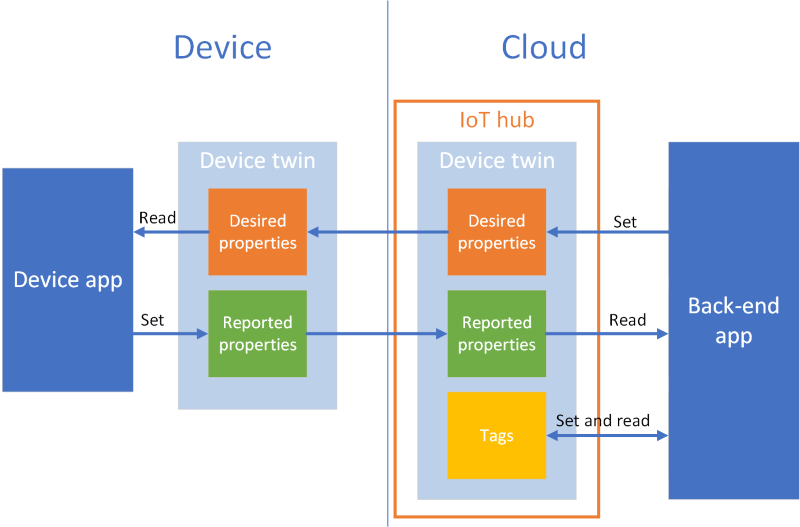
✔ 5.2.1 Telemetry Flow
Gateway publish ke MQTT
Broker route ke Ingestion Service
Ingestion:
- Validate schema
- Validate protocol_version
- Normalize timestamp
Write to Time-Series DB
Dashboard query DB
Server tidak memodifikasi payload sebelum validasi.
✔ 5.2.2 Command Flow
User issue command via Dashboard
Command Manager:
- Generate cmd_id
- Assign TTL
- Store state = ISSUED
Publish ke MQTT
Gateway forward
Node execute & ACK
Broker deliver ACK
Command Manager update state
Server mirror state machine dari HTL-01.
✔ 5.2.3 Configuration Flow
Engineer modify config
Config Registry:
- Increment version
- Generate checksum
- Store audit log
Publish config via MQTT
Gateway → Node
ACK update
Update config status
✔ 5.2.4 OTA Flow
Admin upload firmware
Server:
- Calculate hash
- Register version
Publish OTA metadata
Node fetch file via HTTP
Node verify hash
Node reboot
Health update version
OTA file tidak boleh diakses tanpa auth.
5.3 Trust Boundary Model
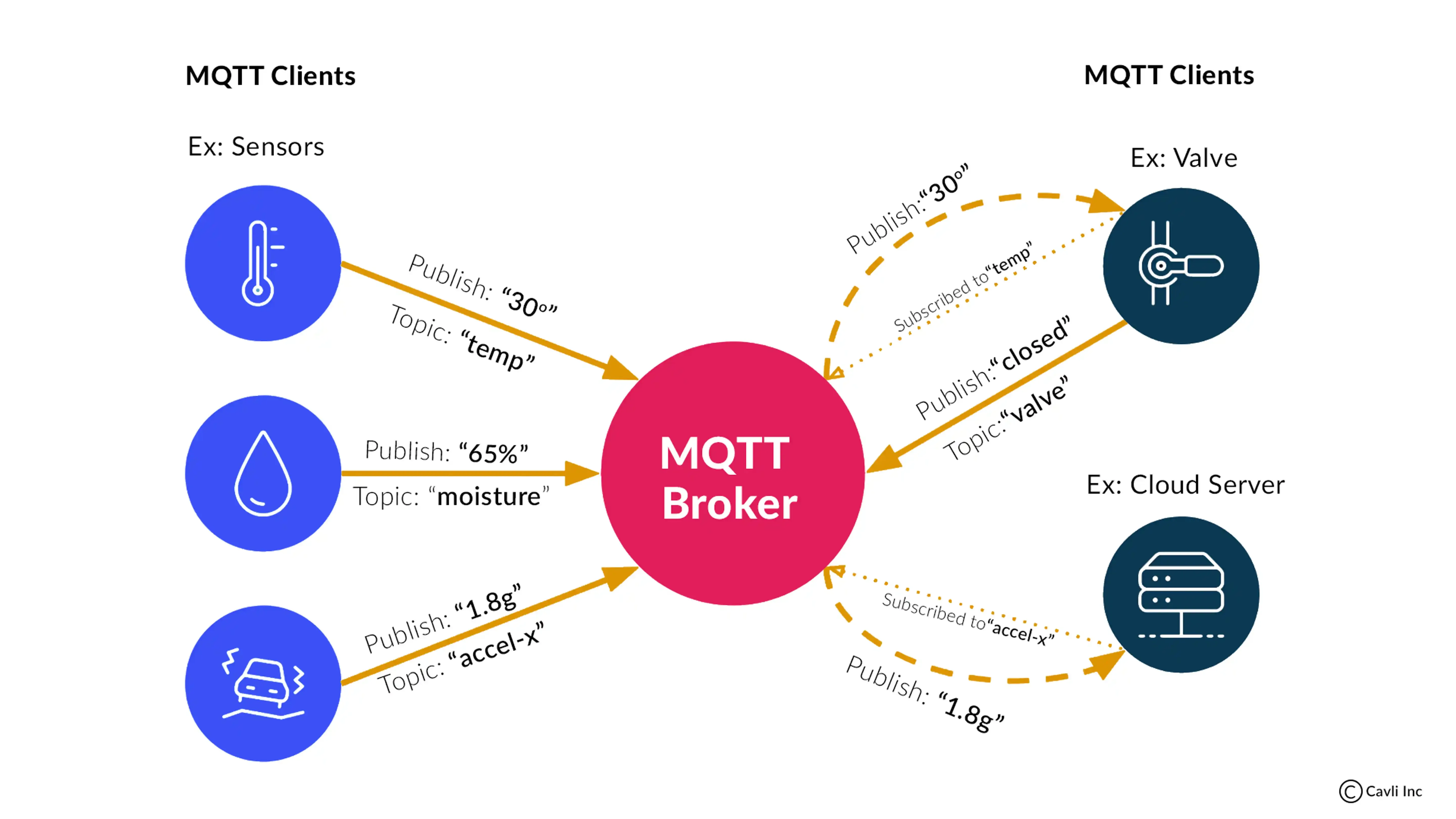
✔ Boundary 1 – LAN Trust Boundary
- Gateway ↔ Pi via MQTT
- Access terbatas LAN
- ACL enforced
✔ Boundary 2 – User Access Boundary
- Dashboard login required
- RBAC enforced
- Session timeout
✔ Boundary 3 – OTA Integrity Boundary
- Firmware hash verification
- Version compatibility check
- No external download
✔ Boundary 4 – Storage Integrity Boundary
- DB write only via ingestion service
- Backup integrity check
- No raw DB modification
5.4 Operational Modes
Server memiliki mode:
- NORMAL
- DEGRADED (Gateway offline)
- STORAGE_WARNING (disk threshold)
- MAINTENANCE
- BACKUP_RUNNING
Mode tidak boleh mempengaruhi Node control.
6. Technical Specification
6.1 Hardware Specification
✔ 6.1.1 Raspberry Pi Baseline
Direkomendasikan:
- Raspberry Pi 4
- RAM minimum 4GB
- Storage minimum 32GB (disarankan 64GB)
- LAN stabil (wired recommended jika tersedia)
✔ 6.1.2 Storage Strategy
- OS partition
- Data partition (DB + backup)
- OTA storage partition (opsional terpisah)
SD card industrial grade disarankan.
✔ 6.1.3 Optional UPS
Direkomendasikan jika:
- Listrik tidak stabil
- Data retention kritikal
Server tetap boleh beroperasi tanpa UPS, dengan risiko data loss saat power cut.
6.2 Operating System
✔ 6.2.1 OS Baseline
- Raspberry Pi OS Lite (64-bit disarankan)
✔ 6.2.2 Required Services
- mosquitto (MQTT broker)
- DB engine (InfluxDB / TimescaleDB – TBD)
- Web backend service
- systemd-managed services
✔ 6.2.3 Boot Configuration
- Auto-start broker
- Auto-start ingestion
- Auto-start dashboard
- Auto-restart on crash (systemd Restart=always)
6.3 MQTT Broker Configuration
✔ 6.3.1 Topic Namespace Policy
Broker hanya menerima:
htl/site_id/#
Cross-site topic tidak diperbolehkan.
✔ 6.3.2 QoS Rule
- Telemetry penting → QoS 1
- Health → QoS 0/1 (to be locked)
- Command → QoS 1
✔ 6.3.3 Retain Flag Policy
- Command: retain = false
- Telemetry: retain = false
- Config metadata: retain optional (to be locked)
✔ 6.3.4 ACL Rule
- Gateway client hanya publish node telemetry
- Gateway subscribe command topics
- Dashboard publish command
- No anonymous access
✔ 6.3.5 Message Size Limit
Max payload disesuaikan dengan constraint ESP Hard cap ditetapkan di broker config.
✔ 6.3.6 Persistence Setting
- Persistence enabled
- Session persistence active
- Disk write batched
6.4 Telemetry Ingestion Layer
✔ 6.4.1 Subscription Policy
Subscribe wildcard:
htl/site_id/node/+/telemetry htl/site_id/node/+/health
✔ 6.4.2 Data Validation
- Validate protocol_version
- Validate required fields
- Validate timestamp range
- Drop malformed payload
✔ 6.4.3 Timestamp Handling
Prefer:
- Gateway-supplied timestamp
Fallback:
- Broker receive timestamp
Server tidak boleh mengubah payload original.
✔ 6.4.4 Batch Write Strategy
- Batch DB write (interval small)
- Avoid write per message
- Retry on failure
✔ 6.4.5 Failure Handling
Jika DB unavailable:
- Queue sementara (bounded)
- Drop oldest jika overflow
- Log anomaly
6.5 Time-Series Database
✔ 6.5.1 DB Engine Decision
TBD:
- InfluxDB (simplicity)
- TimescaleDB (PostgreSQL-based)
Keputusan wajib sebelum freeze.
✔ 6.5.2 Measurement Schema
Measurement:
- telemetry
- health
Tag:
- site_id
- node_id
Field:
- sensor values
- actuator state
- meta metrics
✔ 6.5.3 Retention Policy
- Raw data retention minimal X bulan (TBD)
- Aggregated hourly/daily optional
✔ 6.5.4 Indexing Strategy
Index pada:
- node_id
- timestamp
Query dashboard tidak boleh full-scan.
6.6 Command Management
✔ 6.6.1 Command Publish Rule
- Generate cmd_id (UUID)
- Store command state = ISSUED
- Publish via MQTT
✔ 6.6.2 TTL Enforcement
Server tidak publish command dengan TTL ≤ 0. Server juga menandai expired jika ACK tidak diterima dalam window.
✔ 6.6.3 ACK Tracking
Maintain table:
- cmd_id
- node_id
- status
- issued_timestamp
- executed_timestamp
✔ 6.6.4 Duplicate Command Prevention
Tidak boleh generate cmd_id sama. Manual retry harus menghasilkan cmd_id baru.
6.7 Configuration Registry
✔ 6.7.1 Versioned Configuration
Format:
major.minor.patch
Perubahan parameter increment minor/patch.
✔ 6.7.2 Per-Node Config Storage
Setiap node memiliki:
- active_version
- pending_version
- history list
✔ 6.7.3 Rollback Rule
Rollback ke:
- Last known good version
Audit log wajib disimpan.
6.8 OTA Repository
✔ 6.8.1 Firmware Storage Path
Contoh:
/opt/htl/ota/device_type/version.bin
✔ 6.8.2 Version Registry
Simpan:
- firmware_version
- hash
- upload_time
- compatibility list
✔ 6.8.3 Hash Verification
- SHA-256 baseline
- Verify sebelum publish metadata
✔ 6.8.4 Compatibility Matrix
Define:
- device_type
- min_supported_version
OTA metadata tidak boleh dikirim jika tidak kompatibel.
6.9 Authentication & RBAC
✔ 6.9.1 Role Definition
Operator:
- View dashboard
- Issue basic command
Engineer:
- Modify config
- Trigger OTA
Admin:
- User management
- Upload firmware
- System config
✔ 6.9.2 Local User Database
- Stored locally (hashed password)
- No plaintext storage
✔ 6.9.3 Password Policy
- Minimum length
- Complexity rule
- Account lock after repeated failure
✔ 6.9.4 Session Management
- Session timeout
- CSRF protection
- Token-based session
✔ 6.9.5 Audit Logging
Log:
- Login
- Command issued
- Config change
- OTA upload
6.10 Health Monitoring
Server wajib expose metrics:
- MQTT connection count
- DB write rate
- Disk usage %
- CPU load %
- Memory usage %
- Gateway online/offline
- Command pending count
Threshold baseline harus ditentukan sebelum production.
6.11 Backup & Recovery
✔ 6.11.1 DB Backup Schedule
- Daily incremental
- Weekly full backup
✔ 6.11.2 Config Backup
- Backup per config change
✔ 6.11.3 OTA File Backup
- Backup firmware binary
✔ 6.11.4 Restore Procedure
Dokumentasi wajib mencakup:
- Restore DB
- Restore config
- Restore OTA
- Restart service order
✔ 6.11.5 Disaster Recovery Checklist
- Disk replacement
- OS reinstall
- Service redeploy
- Data restore
- Integrity verification
7. Constraints
Server harus beroperasi dalam batas berikut.
7.1 CPU Constraint
- Raspberry Pi bukan server enterprise
- Tidak diperbolehkan menjalankan analytics berat
- Query dashboard harus terindeks
- Batch write DB wajib digunakan
Target:
- CPU stabil dalam kondisi normal
- Tidak terjadi CPU starvation
7.2 Memory Constraint
- RAM minimum 4GB disarankan
- DB cache harus dibatasi
- Tidak boleh memory leak pada ingestion service
- MQTT connection harus dibatasi
Server tidak boleh swap intensif.
7.3 Disk I/O Constraint
- SD card memiliki write cycle terbatas
- Batch DB write wajib
- Log rotation wajib
- Backup tidak boleh terlalu sering
Disk usage threshold wajib didefinisikan (misal 80%).
7.4 Broker Throughput Constraint
- Max connection limit dikunci
- Max inflight message dikonfigurasi
- Publish rate dari Gateway harus dikontrol
- Message size limit enforced
Broker tidak boleh menjadi bottleneck.
7.5 LAN Stability Constraint
- Server hanya LAN-based
- Tidak boleh bergantung DNS eksternal
- Static IP disarankan
- Firewall lokal dikonfigurasi
7.6 Power Reliability Constraint
- Power loss dapat terjadi sewaktu-waktu
- DB harus tahan abrupt shutdown
- systemd auto-restart wajib
- UPS disarankan untuk site kritikal
8. Failure Handling
Format: Detection → Impact → Recovery → Owner
8.1 Pi Reboot
Detection:
- Service restart log
Impact:
- Temporary monitoring loss
- Command in-flight hilang
Recovery:
- Auto-start broker & services
- Gateway reconnect otomatis
Owner:
- Server
Node tetap autonomous.
8.2 Broker Crash
Detection:
- Service status down
Impact:
- Gateway tidak dapat publish
- Command tidak bisa dikirim
Recovery:
- systemd auto-restart
- Persistence restore
Owner:
- Server
8.3 Disk Full
Detection:
- Disk usage > threshold
Impact:
- DB write fail
- OTA upload fail
Recovery:
- Alert dashboard
- Trigger cleanup
- Retention purge
Owner:
- Server Admin
8.4 DB Corruption
Detection:
- DB service error
- Integrity check fail
Impact:
- Telemetry tidak tersimpan
- Dashboard error
Recovery:
- Restore from backup
- Reinitialize DB
- Verify integrity
Owner:
- Server Admin
8.5 Gateway Disconnect
Detection:
- Missing gateway health
- MQTT disconnect
Impact:
- No telemetry
- No command delivery
Recovery:
- Wait reconnect
- Alert operator
Owner:
- Gateway (primary)
- Server (monitoring)
8.6 Service Deadlock
Detection:
- Health monitor no update
- Watchdog script detect stall
Impact:
- Ingestion freeze
- Command freeze
Recovery:
- Restart affected service
- Log incident
Owner:
- Server
8.7 Unauthorized Access Attempt
Detection:
- Failed login attempt
- Invalid token
Impact:
- Security risk
Recovery:
- Lock account (threshold)
- Log event
- Alert admin
Owner:
- Server
9. Interfaces
9.1 MQTT Interface
Mengacu HTL-01:
- Topic namespace
- QoS
- Command & ACK format
- Health topic
Server tidak mengubah schema payload.
9.2 HTTP API for Dashboard
Internal API:
- GET /telemetry
- POST /command
- GET /config
- POST /config
- POST /ota-upload
- GET /health
API hanya tersedia di LAN.
9.3 OTA File Endpoint
Contoh:
GET /ota/device_type/version.bin
File dilayani lokal, tidak boleh redirect eksternal.
9.4 Auth Interface
- POST /login
- POST /logout
- POST /user-create (admin only)
- POST /role-assign (admin only)
9.5 Health Metrics Endpoint
Contoh:
GET /metrics
Berisi:
- CPU
- Memory
- Disk
- Broker status
- DB status
- Gateway connectivity
10. Open Issues
Keputusan sebelum freeze:
- DB engine final choice (InfluxDB vs TimescaleDB)?
- UPS mandatory atau optional?
- RAID atau single SD card?
- Containerized deployment (Docker) atau native?
- Remote SSH allowed atau disabled?
- Health alert threshold baseline?
- Retention duration final?
HTL-04 tidak boleh masuk production tanpa isu ini dikunci.
11. Revision History
| Version | Date | Author | Description |
|---|---|---|---|
| v0.1 | 2026-02-24 | Architect | Initial structured draft |
Catatan Penyusunan Artikel ini disusun sebagai materi edukasi dan referensi umum berdasarkan berbagai sumber pustaka, praktik lapangan, serta bantuan alat penulisan. Pembaca disarankan untuk melakukan verifikasi lanjutan dan penyesuaian sesuai dengan kondisi serta kebutuhan masing-masing sistem.